THE IMPACT YOU HELPED MAKE POSSIBLE IN 2025
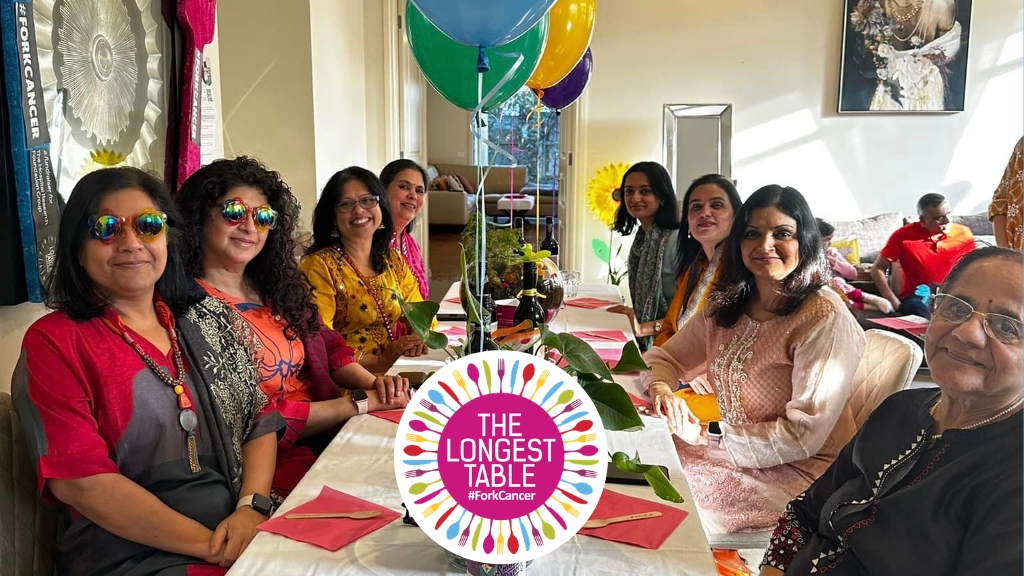
The Longest Table is more than a meal. It's a community powered movement raising funds for life-changing cancer research through The Hospital Research Foundation Group. In 2025, your support has translated into real momentum.
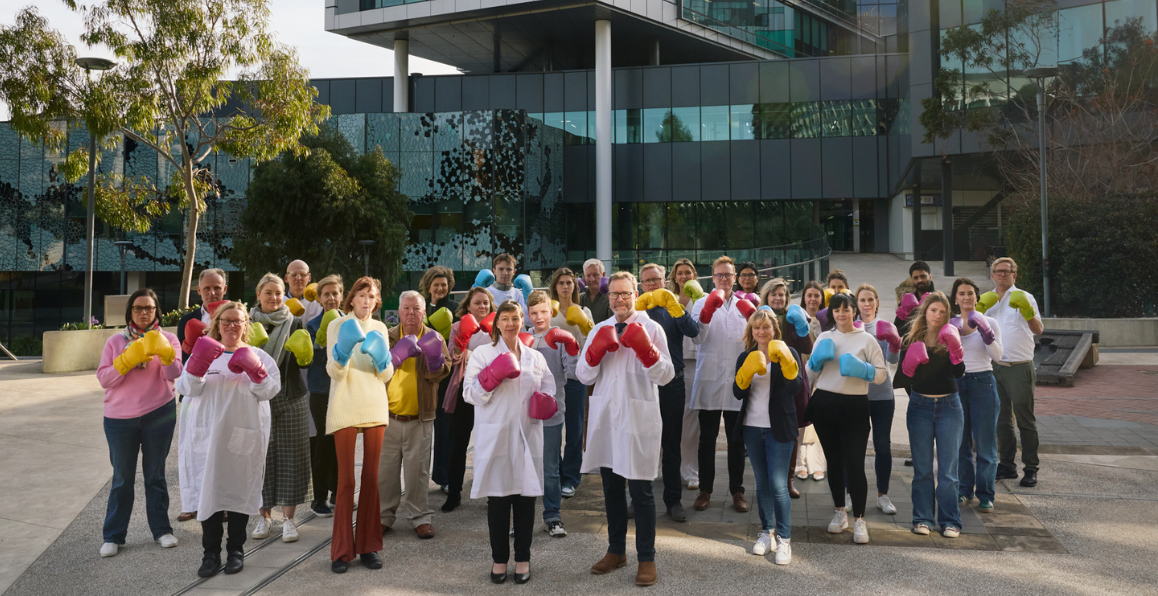
At the recent Hospital Research Foundation Group's annual Impact Showcase, researchers, clinicians and supporters came together to share the outcomes made possible thanks to people like you. It was a powerful reminder that when Australians gather around the Table, the impact extends far beyond a single meal.
Because of your efforts at events like The Longest Table, cancer research projects were able to be accelerated across the country: helping improve detection, treatment and quality of life for our loved ones affected by cancer.
Here are just TWO of the projects your support helped move forward in 2025.
At the recent Hospital Research Foundation Group's annual Impact Showcase, researchers, clinicians and supporters came together to share the outcomes made possible thanks to people like you. It was a powerful reminder that when Australians gather around the Table, the impact extends far beyond a single meal.
Because of your efforts at events like The Longest Table, cancer research projects were able to be accelerated across the country: helping improve detection, treatment and quality of life for our loved ones affected by cancer.
Here are just TWO of the projects your support helped move forward in 2025.
Improving outcomes for late-stage melanoma - dr aaron beasley
More Australians are diagnosed with skin cancer than any other cancer type. For those facing late-stage melanoma, treatment decisions are often complex and urgent.
For Dr Aaron Beasley, this research is personal.
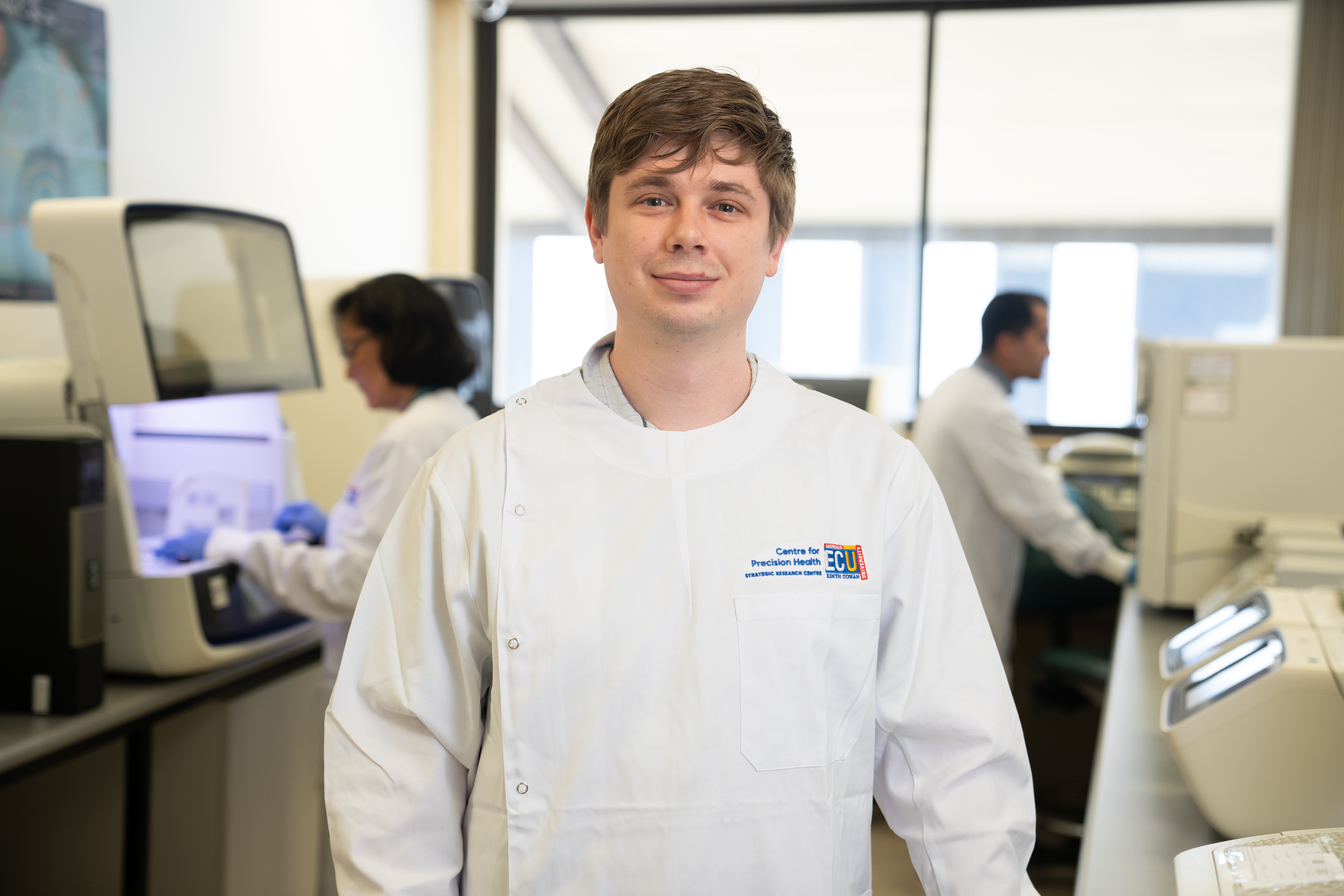
After his father was diagnosed with late-stage melanoma, Dr Beasley was inspired to pursue a career in cancer research. Today, as a researcher at Edith Cowan University, he is developing a novel blood-based test designed to predict whether patients with advanced melanoma will respond to immunotherapy.
This research aims to:
This research aims to:
- Improve treatment and survival rates for late-stage melanoma
- Detect melanoma metastasis to the brain earlier
- Support the Western Australia Melanoma Initiative (WAMI) in developing treatments for immunotherapy-resistant melanoma
A WORLD FIRST STUDY TO COMBAT CANCER-RELATED FATIGUE
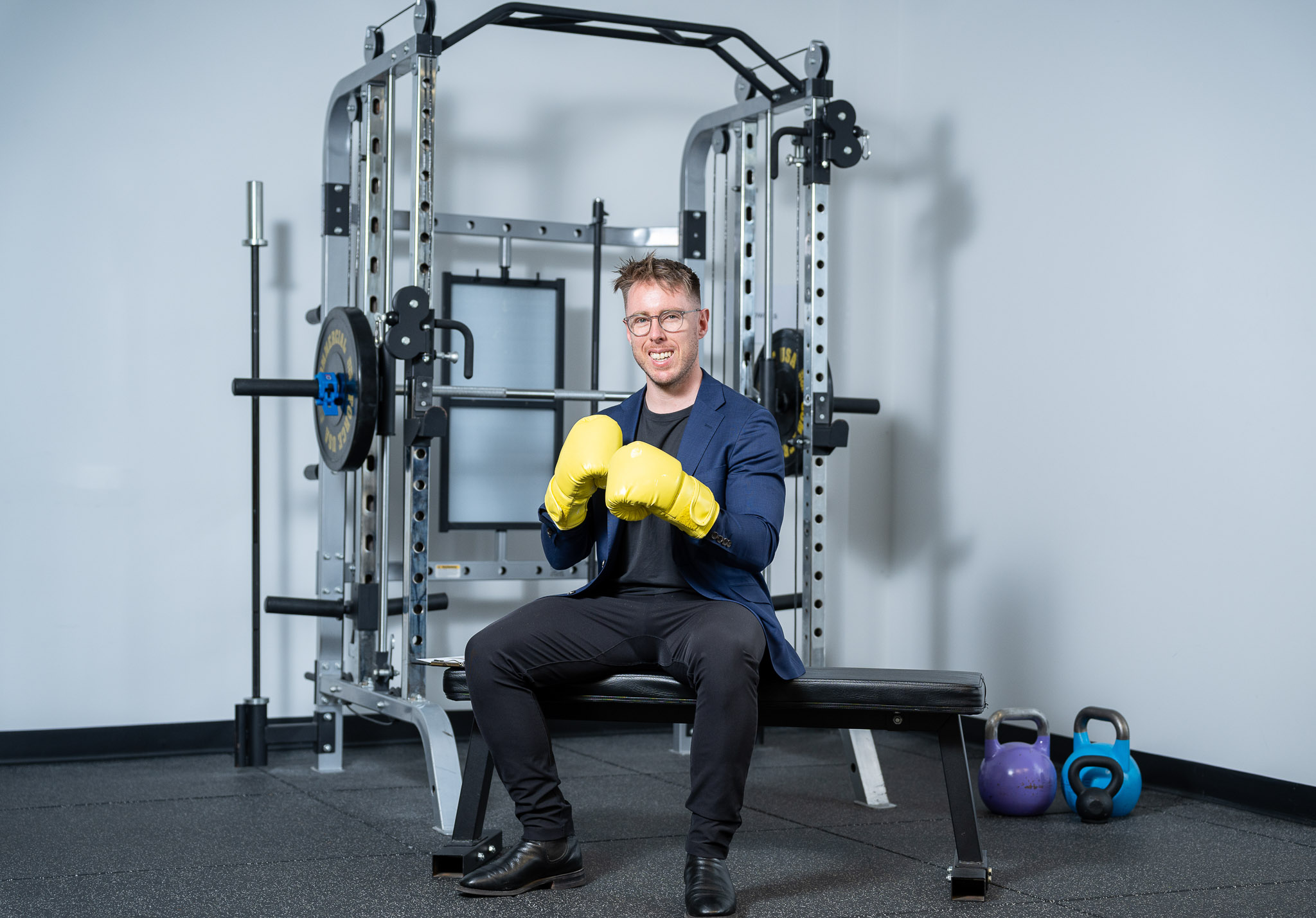
For many bowel cancer survivors, finishing treatment does not mean life immediately returns to normal. Fatigue remains one of the most debilitating and ongoing side effects.
With your support, Dr Matthew Wallen from Flinders University is leading a world-first study exploring whether physical activity can significantly reduce fatigue in bowel cancer survivors.
"Our ultimate goal is to see this model of care adapted for all cancer survivors," Dr Wallen said. "We're hopeful this approach can offer a much-needed solution to fatigue."
Today, your support is helping improve quality of life for bowel cancer patients after treatment.
Tomorrow, this research could help reshape how recovery is managed for cancer survivors across Australia.
Because You Set the Table
Research like this does not happen in isolation. It happens because people like you choose to come together to #ForkCancer.
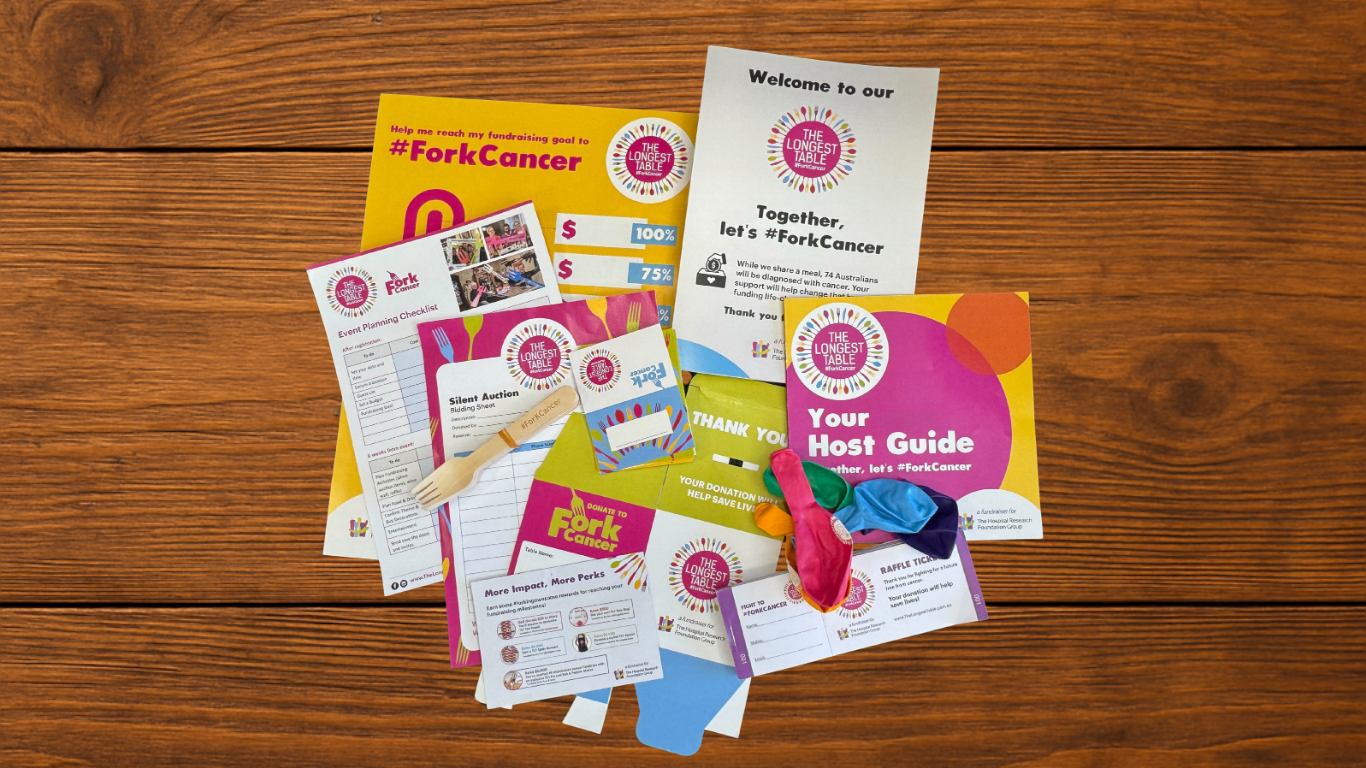
Every Longest Table hosted, every dollar raised and every guest invited contributes to funding life-changing cancer research through The Hospital Research Foundation Group.
Be part of the next breakthrough...
Today, your support is helping improve quality of life for bowel cancer patients after treatment.
Tomorrow, this research could help reshape how recovery is managed for cancer survivors across Australia.
Because You Set the Table
Research like this does not happen in isolation. It happens because people like you choose to come together to #ForkCancer.
Every Longest Table hosted, every dollar raised and every guest invited contributes to funding life-changing cancer research through The Hospital Research Foundation Group.
Be part of the next breakthrough...